
Wildlife Spotting: What You'll See at Clara Bog
Discover the incredible birds, insects, and plants you'll encounter on the Clara Bog boardwalk. From rare dragonflies to elusive warblers, we'll show you what to look for and how to spot them without disturbing their habitat.
Why Clara Bog Is a Wildlife Hotspot
Clara Bog isn't just a pretty walk — it's one of Ireland's most important peat bog ecosystems. The raised bog habitat creates a unique environment that attracts species you won't find in forests or fields. It's boggy, it's wet, and that's exactly why the wildlife thrives here.
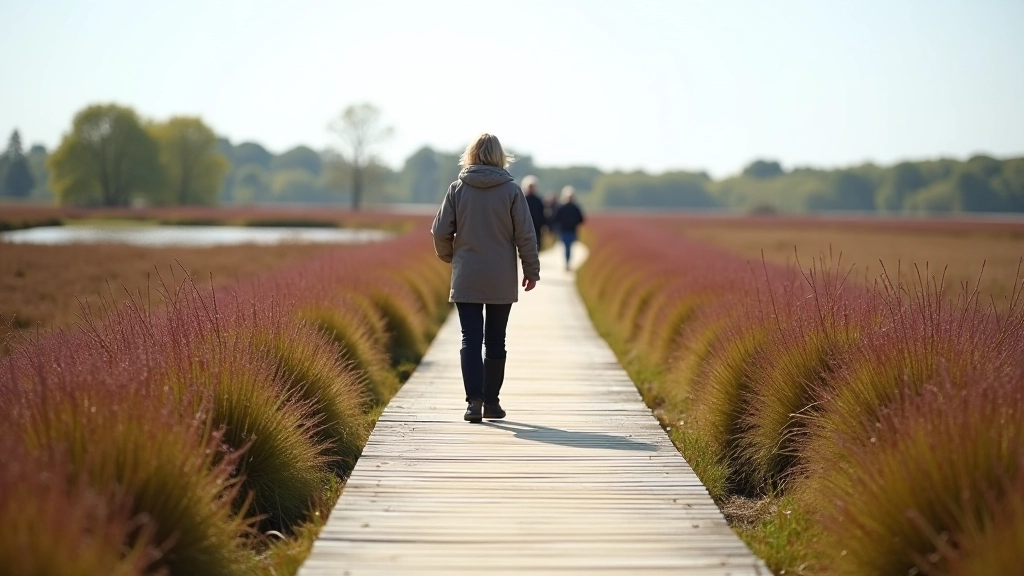
The boardwalk keeps you safe and dry while giving you excellent viewing spots. You'll spot something on almost every visit, whether it's a flash of feathers or the distinctive buzz of a dragonfly. Best part? You don't need expensive binoculars or special training to enjoy it. A basic pair of binoculars and some patience go a long way.
180+
Bird Species Recorded
25
Dragonfly Species
1,300
Hectares of Protected Bog
01
Birds: Your Most Common Sightings
Birds are the stars of Clara Bog. You'll see them year-round, though different species arrive with the seasons. In spring and summer, warblers arrive — listen for their distinctive calls before you spot them. The willow warbler and sedge warbler are common, and they're vocal enough that you'll hear them long before you see them.
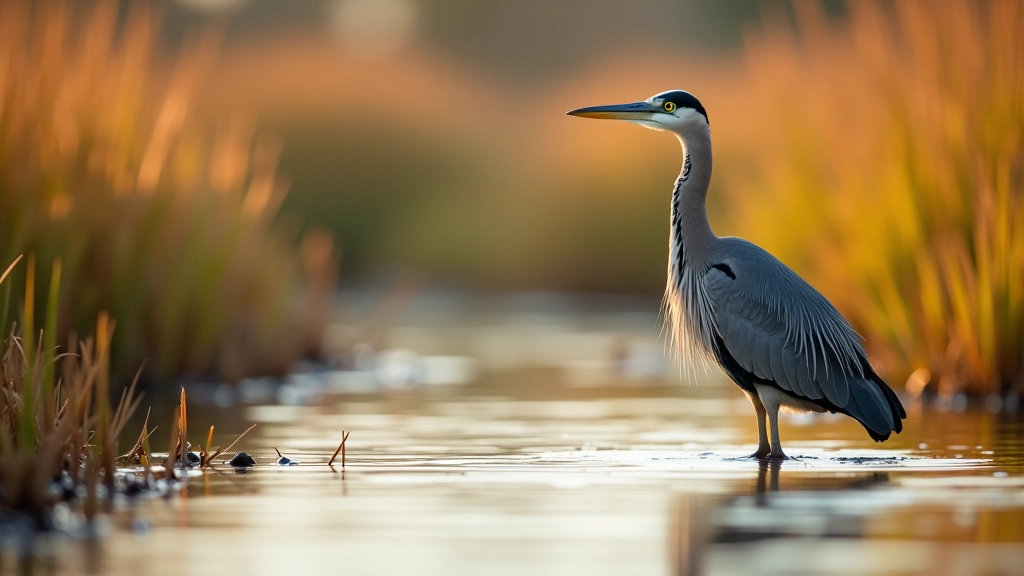
The most reliable sightings are the common birds: wrens, robins, and tits. They're not rare, but they're beautiful. You'll also spot herons — they're patient hunters who stand motionless in shallow water for minutes at a time. Red grouse are resident year-round, and their croaking call is unmistakable once you've heard it once.
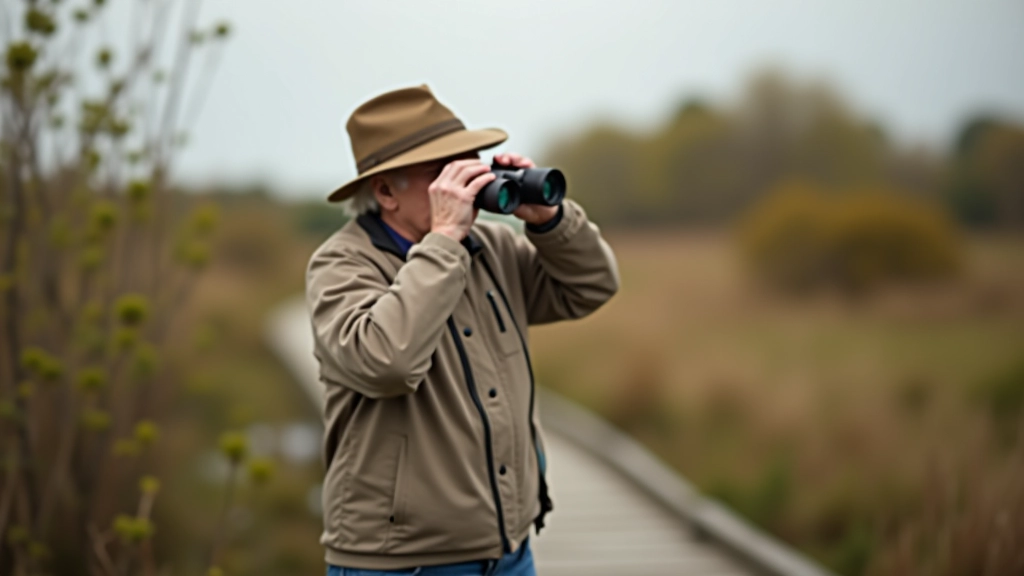
Pro tip: Visit early morning or late afternoon. That's when birds are most active. You'll need binoculars to see detail, but the birds here aren't particularly shy — they're used to visitors on the boardwalk.
Please Note
This article is informational about the wildlife and habitats found at Clara Bog. Always stay on designated boardwalk paths to protect the bog ecosystem. For specific identification help or species confirmation, consider visiting with a local naturalist guide or contacting the site visitor center.
02
Dragonflies: The Aerial Acrobats
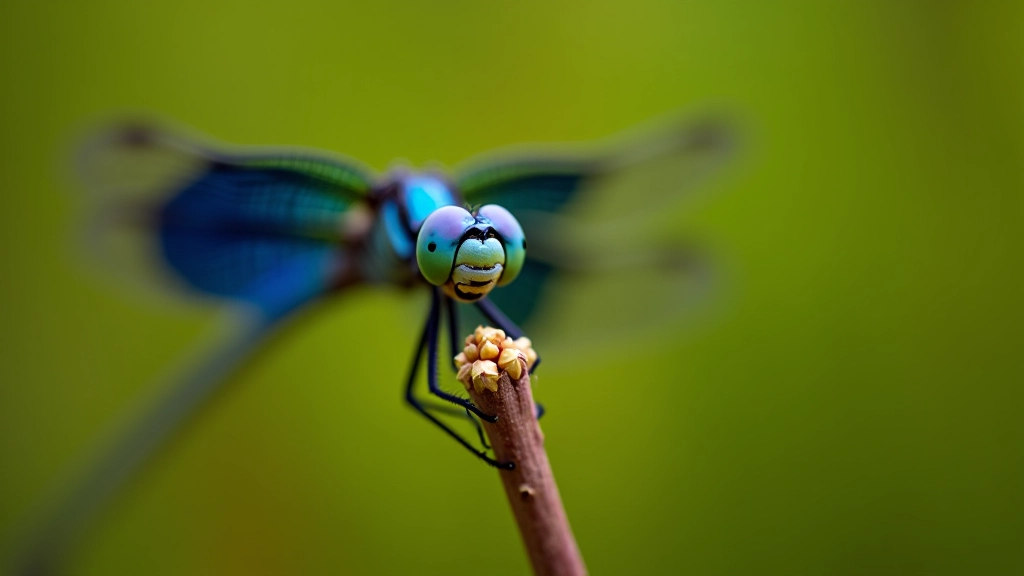
Dragonflies are the showstoppers at Clara Bog. They're fast, colorful, and mesmerizing to watch. The bog supports over 25 species, which is remarkable for Ireland. You'll spot them from May through September, with peak activity in July and August.
The common species you'll see are the common darter (orange-red males), the black darter (dark and slender), and the four-spotted chaser (with distinctive white spots on the wings). Don't try to catch them — they're incredibly agile. Just watch them hunt insects in the air above the bog. Their dragonfly nymphs live in the bog's shallow pools for years before emerging as adults.
Stand still near the water's edge and they'll come to you. They're curious and active, especially on warm sunny days. Bring a camera with a decent zoom if you want to photograph them.
Related Reading
03
Plants: The Foundation of Everything
You can't understand the wildlife without understanding the plants. The bog is dominated by sphagnum moss, heather, and bog cotton. These aren't just pretty — they're specially adapted to survive in acidic, waterlogged conditions that would kill most plants.
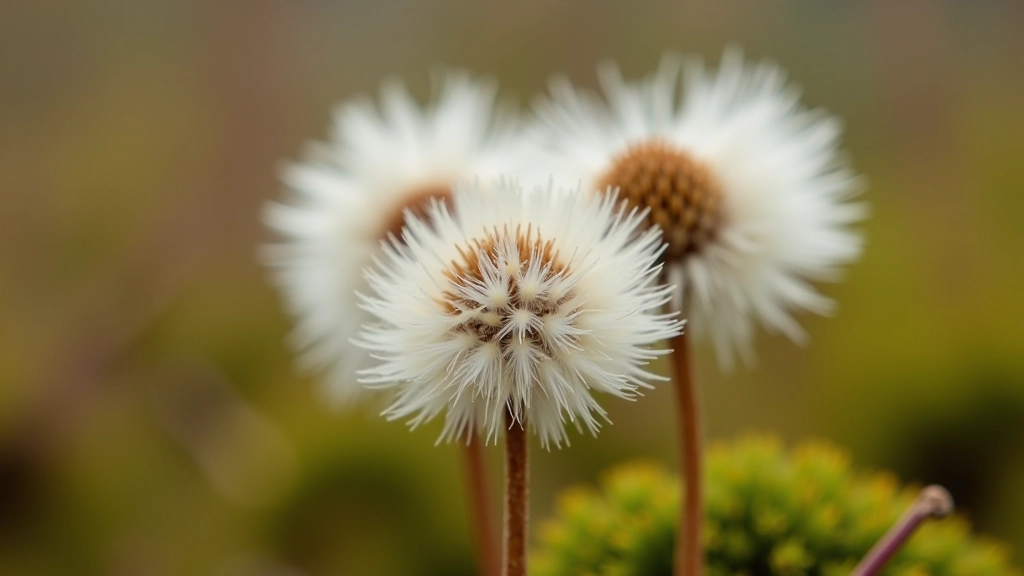
Bog cotton is distinctive: it's got white fluffy seed heads that catch the light. You'll see it in patches across the bog, especially in late summer. Sundew plants are tiny carnivores that digest insects to get nitrogen they can't get from the soil. Look closely at damp areas — you'll see their red, sticky leaves.
The plants you see determine the animals you'll find. Insects feed on plants, birds feed on insects, and the whole ecosystem depends on this foundation. Respect the vegetation — stay on the boardwalk and don't pick plants or flowers.
04
How to Spot Wildlife Without Disturbing It
Here's the thing about wildlife spotting — patience beats speed every time. Move slowly, talk quietly, and let the animals come to you. You'll see more if you stop and stand still for 5-10 minutes than if you rush through the boardwalk.
Wear neutral colors if you can. Bright colors scare birds away. Bring binoculars — they let you observe from a distance without crowding the animals. A simple pair costs £30-50 and makes a huge difference. Use a camera with a zoom lens if you want photos, but don't chase animals.
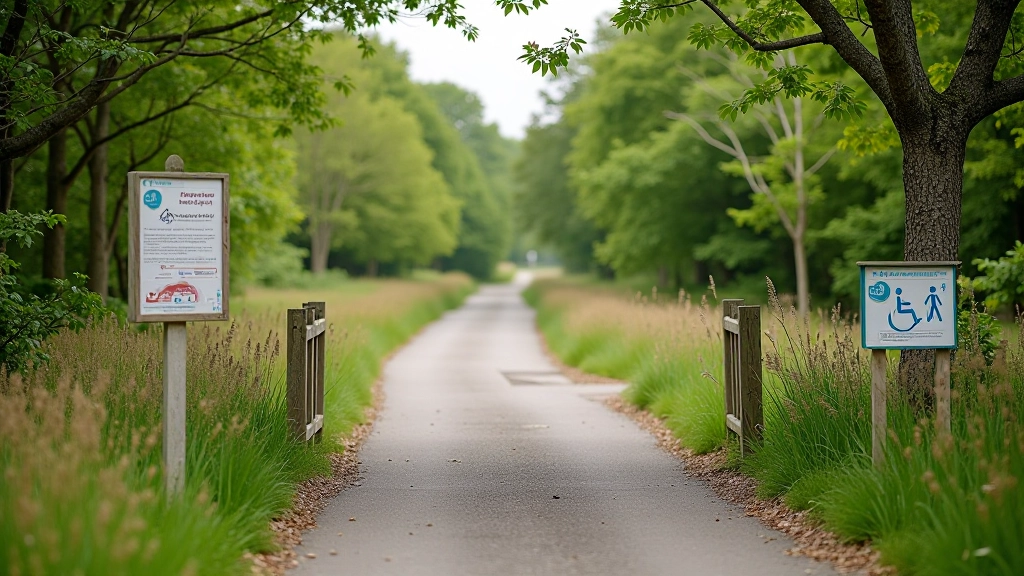
The golden rule: stay on the boardwalk. It protects the bog and keeps you safe. When you see something interesting, stop and observe quietly. You're visiting their home — be respectful and they'll reward you with incredible sightings.
Take Your Time and Enjoy the Experience
Clara Bog isn't a race. It's not about ticking off a species checklist. It's about stepping into a world that's existed for thousands of years and watching it live and breathe right in front of you. The birds, dragonflies, and plants are all part of a delicate system that's survived ice ages and human development.
Visit at different times of year — spring brings nesting birds, summer brings dragonflies, autumn brings migrants, and winter has its own quiet beauty. You'll see something different every season. Bring a notebook, bring binoculars, bring your curiosity. Stand still. Listen. Watch. You'll be amazed at what you discover.